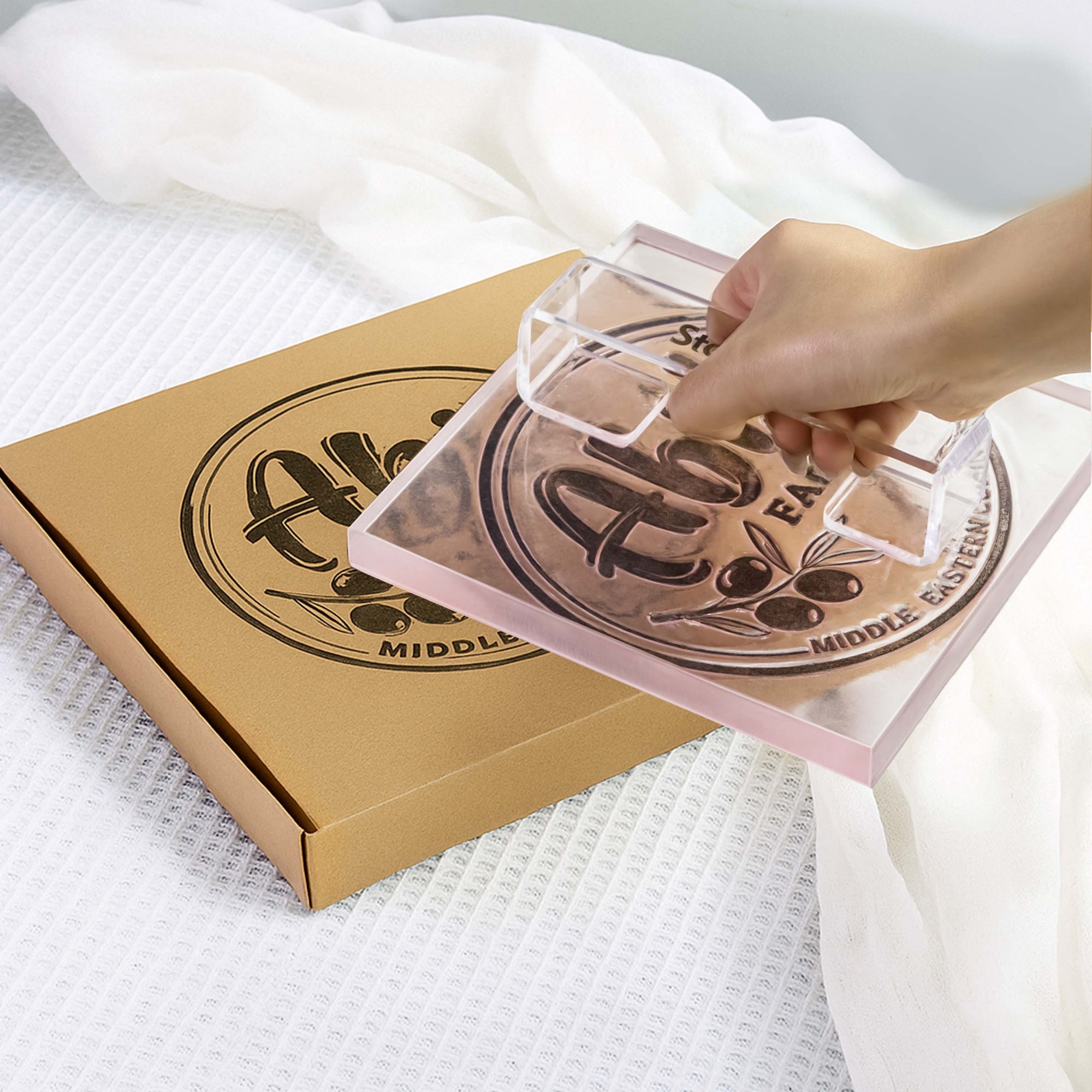


How do you effectively clean rubber stamps after use? Ink buildup can seriously affect stamp quality and longevity. This guide analyzes the characteristics of water-based and oil-based inks from a scientific perspective and provides professional cleaning methods to ensure your stamps remain in optimal condition.

First Step In Rubber Stamp Cleaning: Identify Your Ink Type
Water vs. Oil Inks: Key Differences for Effective Stamp Cleaning
Keeping your rubber stamps clean starts with a crucial question: Are you using water-based or oil-based ink? The answer determines your entire cleaning approach.
Understanding Rubber Stamp Ink Types:
| Type of Ink | Main Components | Suitable Substrates | Cleaning Principle |
|---|---|---|---|
| Water-Based Ink | Water and water-soluble resins, dyes or pigments | Absorbent, water-based materials such as paper and fabric | Water dissolves water-soluble components; surfactants aid in detaching insoluble matter. |
| Oil-Based Ink | Organic solvents and oil-soluble resins, water-insoluble dyes or pigments | Non-absorbent materials such as plastics, metals, and leather | Organic solvents dissolve oil-based components (based on the principle of "like dissolves like") |
Using the wrong cleaning method not only fails to remove ink but can potentially damage your stamps. Let's learn how to identify what you're working with.

Identify Stamp Ink Types: 4 Easy Tests Anyone Can Do
Not sure what type of ink you're using? These simple identification methods will help even complete beginners choose the right cleaning approach.
●Check the packaging:
Packaging typically indicates "Water-based" or "Oil-based/Solvent-based"
●Smell identification:
Water-based ink: Little to no odor
Oil-based ink: Usually has a noticeable solvent odor
●Drying characteristics:
Water-based ink: Dries quickly, easily absorbed by paper, smudges when wet
Oil-based ink: Dries more slowly, less absorbent, typically waterproof
●Simple test: Stamp on scrap paper, let it dry, then rub with a damp finger
Water-based ink: Impression smudges/blurs
Oil-based ink: Impression remains intact
When purchasing new ink, consider Stamprints premium inks. Our water-based and oil-based formulations offer exceptional color density, smooth flow, and impressive longevity--perfectly complementing our precision-crafted rubber stamps.
Step-by-Step Cleaning Guide: Water vs Oil-Based Ink Pads (Tips & Products)
Water-Based Ink Cleaning: 2 Quick & Easy Methods
Want spotless stamps in minutes? Good news! Water-based inks are the easiest to clean from your rubber stamps. These simple methods take just minutes and use items you likely already have at home.
●Baby Wipes: Quick Cleaning for Busy Crafters
Steps:
- Pick fragrance-free, alcohol-free wipes.
- Gently wipe the stamp until ink disappears.
- Air-dry in a ventilated spot.
Tips: Test wipes on a corner to avoid residue
●Soap and Water Method: Deep Cleaning Water-Based Inks
Steps:
- Mix mild soap with water.
- Dab a soft cloth in the solution and clean gently.
- Rinse with clean water, pat dry, and air-dry.

For optimal results, clean your stamps immediately after use before ink has a chance to dry.
Oil-Based Ink Solutions: Basic vs Professional Cleaning Methods
Oil-based inks create beautiful permanent impressions, but they require special cleaning techniques. These professional methods will safely remove even stubborn oil-based ink residue.
●The Alcohol Cleaning Method for Stubborn Oil-Based Inks:
Using rubbing alcohol for oil-based ink? Keep these points in mind for safe and effective cleaning.
Steps:
- Fresh Air First: Work in a well-ventilated space.
- Dampen, Don't Drench: Lightly moisten a lint-free cloth with a small amount of rubbing alcohol (isopropyl alcohol).
- Wipe Away: Gently wipe the stamp surface, shifting to a clean part of the cloth as ink lifts.
- Air It Out: Let the stamp air-dry in a well-ventilated area.
Heads Up:
- Gentle Does It: High-strength alcohol can dry and weaken rubber, especially older stamps.
- Spot Check: Always test on a hidden corner first.
- Use Sparingly: This method isn't ideal for everyday cleaning.
For stamps you use frequently with oil-based inks, consider one of the gentler methods below for long-term preservation.
●Professional Stamp Cleaner: The Best Solution for Oil-Based Inks:
While alcohol works in a pinch, dedicated stamp cleaners offer superior results and better protection for your valuable stamps.

Steps:
- Choose Wisely: Select a professional stamp cleaner designed for your specific ink type.
- Follow the Script: Apply the cleaner to the stamp surface, carefully following the product instructions.
- Gentle Touch: Clean gently using a soft brush or a clean cloth.
- Rinse or Wipe: Remove the cleaner according to the product directions (either wipe clean or rinse).
- Lay It Flat: Air-dry the stamp on a clean, flat surface.
Small Test First:
Always test any new cleaner on a small, inconspicuous area of your stamp.
Have a favorite professional stamp cleaner that works wonders? Tell us about it in the comments!
●Makeup Remover Alternative: A Household Hack for Oil-Based Inks:
No stamp cleaner on hand? This accessible alternative uses common household items to effectively remove oil-based inks.

Steps:
- Keep it Simple: Choose a basic, mild makeup remover oil (the kind that takes a little longer to emulsify can work best).
- A Little Dab: Apply a small amount to the inked stamp surface and let it sit for a moment.
- Brush Lightly: Gently clean the inked areas using a soft brush.
- Rinse Well: Thoroughly rinse the stamp with warm water.
- Pat and Air: Pat the stamp dry with a soft, lint-free cloth and let it air-dry completely before storing.
Important Note:
Ensure you rinse all oil residue completely from the stamp to prevent contamination of future impressions.
Ever tried this makeup remover trick? Share your experience in the comments!
Essential Tools for Better Stamp Cleaning
The right tools make all the difference when cleaning your valuable stamps. Here's what professionals recommend for optimal maintenance.
●Rubber Stamp Cleaning Pads: 4-Step Guide for Perfect Results
Usage Steps:
- If the cleaning pad doesn't contain cleaner, spray an appropriate cleaner on the pad
- Gently press the inked stamp surface onto the cleaning pad
- Rotate the stamp slightly to ensure all inked areas contact the pad surface, repeating if necessary

Note:
Regularly clean and air-dry the cleaning pad
Advantages:
Efficiently absorbs ink over large areas, convenient to use. Stamprints cleaning pads are essential for daily stamp maintenance--convenient, quick, effectively absorb ink, and won't damage the stamp surface.
●Toothbrush Cleaning Method: Smart Alternative for Rubber Stamps
When you need to clean your stamps but don't have specialized tools on hand:

Selection: Opt for a used toothbrush with medium-soft bristles.
Application: Serves as a provisional solution when specialized cleaning instruments are unavailable.
Performance Considerations: Offers effective cleaning action, but careful control of applied force is necessary.
Equipping yourself with these simple yet effective tools is a game-changer for truly pristine stamps and a smoother crafting experience. Ready to see how they work their magic?
Safety Tips & Best Practices: What to Watch Out For
Cleaning your rubber stamps? Don't wreck 'em! Quick tips and tricks inside to clean the stamp right. What's your biggest cleaning worry? Let's keep that rubber surface happy and extend the life of your rubber stamps!
●Avoid inappropriate stamp cleaning solutions to keep your stamps clean
Don't use wipes containing oils or fragrances
Avoid high-concentration alcohol
Never use acetone, nail polish remover, or other harsh chemicals
●Avoid extreme temperatures and strong acids/bases when you clean your stamp
Don't use very hot water
Don't use strong alkaline or acidic cleaners
●Avoid rough handling keep your stamps in good condition
Don't scrub too hard
Don't soak stamps directly in cleaning solutions
●Avoid residue for clear stamp clarity
Ensure cleaning agents are thoroughly rinsed off
Ensure no residue remains that could affect future use or damage the stamp.

When in doubt about a cleaning method, test it on an inexpensive stamp first or contact the manufacturer for specific care.
Essential Care Guide: Storage & Maintenance for Long-Lasting Rubber Stamps
Proper storage and maintenance, especially for wood-mounted rubber stamps, prevent ink buildup and drying out, ensuring clear impressions every time. This section offers simple tips for lasting stamp happiness.
Expert Drying Protocol: The Key to Preventing Damage After Cleaning
●Pat dry: Use a soft cloth to gently pat the stamp surface and base
●Natural air-drying: Place in a cool, ventilated area; avoid high-temperature drying, which can dry out the rubber
●Complete drying: Ensure thorough drying inside and out before storage, especially wooden bases of wood-mounted rubber stamps

Pro Storage Secrets: How to Double Your Rubber Stamp Lifespan
●Keep dry and away from light: Avoid moisture and direct sunlight
●Store at room temperature: Away from extreme heat or cold
●Avoid chemicals: Keep away from oily substances and strong solvents
●Store flat: Avoid stacking or compression that could cause deformation

Stamprints uses premium rubber paired with precise laser engraving technology to create stamps that clearly and durably showcase your creativity. The FSC®-certified wooden handles are not only eco-friendly and comfortable but also a long-lasting choice, ensuring you can enjoy the life of your stamp for years to come with proper care of your rubber stamps.


Take Away: Simple Stamp Care for Beginners & Daily Maintenance
Quick-Start Cleaning:
● Water-based inks: Simple baby wipe method
● Oil-based inks: Light alcohol cleaning
● Basic tools: Household items work well
Daily Care Routine:
● Identify ink type first
● Clean immediately after use
● Gentle handling always
● Complete drying before storage
Pro Tips:
● Water-based inks → Baby wipes or mild soap
● Oil-based inks → Alcohol or stamp cleaners
● No harsh chemicals
● 2-minute post-use cleaning habit
Ready to give your stamps a fresh start? Make it a habit to spend just 2 minutes cleaning them after each use -- starting today! Check out the range of cleaning tools available at Stamprints to make it quick and easy!

FAQs
Q: How often should I clean the rubber part of my stamps?
A: It is recommended to clean the rubber part of your stamps after each use to prevent ink from drying and staining it. This also makes it easier to wipe away the ink and ensures better impressions in the future. Proper stamp storage after cleaning will further prolong their life.
Q: What's a good idea to clean rubber stamps effectively?
A: To clean a rubber stamp effectively, you can use a variety of methods depending on the type of ink used. For water-based ink, a solution of soap and water works well. Simply wet a stamp scrubber pad or a soft cloth with the solution and gently wipe the stamp, ensuring to remove all excess ink. For solvent-based inks, you might need a specialized stamp cleaner. Apply the cleaner to the rubber surface and use a soft cloth to gently scrub.
Q: Can I use baby wipes to clean my rubber stamps?
A: Yes, you can use baby wipes to clean your rubber stamps. They're convenient and work well for removing most inks, especially water-based ones. However, be careful with wipes that have alcohol or other harsh chemicals in them, as cleaning with these might damage the rubber over time. It's always a good idea to check the ingredients before using them on your stamps.
Q: What's a fast way to quickly clean multiple rubber stamps?
A: For a speedy way to quickly clean several stamps, use a rubber stamp cleaning pad. Just spray the solution onto the pad and press your inked stamps onto it, rotating them slightly until they're clean.
Q: Do rubber stamp suppliers and craft stores offer advice on the best ways to clean specific types of inks?
A: Yes, the staff at rubber stamp suppliers and craft stores often have expertise in different ink types and can provide valuable advice on the most effective and safe cleaning methods for your specific inks and stamps. Don't hesitate to ask for their recommendations!